Is Bone Broth Good For Gut Health?
Bone Broth…
Healing Elixir?
Or Clever Hype?
Bone broth is marketed as a magical gut healer — claiming to…
✨ Heal the gut lining
✨ Reduce intestinal inflammation
✨ Repair the gut with gelatine
✨ Support healthy skin with collagen
✨ Improve sleep with Glycine
But what does research — not marketing — actually say? Let’s break down each claim…

Claim #1... “Bone broth heals the gut lining”
Here’s the truth — gut lining repair comes from Short Chain Fatty Acids (SCFAs) made by your beneficial gut flora from the fermentation of fibre— NOT from bone broth.
“Butyrate, a Short Chain Fatty Acid (SCFA), promotes the development of the intestinal barrier.”
👉 Translation? Eating Fibre, Prebiotics and food probiotic sources (from diverse plant sources) fuels the beneficial bacteria that produce SCFAs — and that’s what truly strengthens your gut lining. Bone broth isn’t even a good Band-Aid!
Claim #2... “Bone broth reduces intestinal inflammation”
This one’s a big myth. The evidence shows the opposite when it comes to animal products.
“Animal products increase IGF-1 (Insulin-Like Growth Factor 1) which reproduces and regenerates cells. Too much has been seen to promote the growth of cancerous cells.”
“Experimental studies have shown IGF-I to promote the growth of both normal and malignant cells in breast tissue.”
“Eating plants is associated with lower circulating levels of total IGF-I and higher levels of IGFBP-1 and IGFBP-2.”
In simple terms… plant foods lower inflammation, while animal-based products can increase it through IGF-1 signalling.
So, if your goal is to calm inflammation, bone broth isn’t the answer — plants are 🌿
Claim #3... “Bone broth supports healthy skin with collagen”
Bone broth doesn’t provide “collagen” directly. It provides amino acids (the building blocks of protein) that the body then uses to make collagen — if it needs it.
“Collagen is protein molecules made up of amino acids.”
But those same amino acids — glycine, proline, and hydroxyproline — are non-essential, meaning your body can make them naturally, or obtain them easily from plants.
🌱 Plant sources include…
Glycine → Beans, legumes, cruciferous veggies.
Proline → Cabbage, chickpeas, buckwheat, barley, corn,
Hydroxyproline → Made in the body with vitamin C (abundant in fruits & veggies)
And for full skin repair? You also need Vitamins A, C & E, and minerals like Zinc — all of which are highly available from plants 🌿

Claim #4... “Bone broth repairs the gut with gelatine”
It’s not the ‘gelatine’ itself doing the repair — it’s the amino acids that make up gelatine.
“Gelatine is made up of amino acids such as Glycine, Proline, Valine, Lysine, Alanine and Arginine.”
The body already produces most of these (they’re non-essential), and the rest are readily found in plants…
Lysine → Lentils, quinoa, pumpkin seeds, black beans, pistachios
Valine → Mushrooms, whole grains, seeds, nuts
So yes — you can get all the benefits without boiling bones for hours!

Claim #5... “Bone broth with high glycine improves sleep”
“High glycine” does not equal “higher melatonin”.
While glycine has a nervous system benefit, and body temperature regulation, it’s isn’t a sleep remedy.
The gut is your gateway into a restful night sleep because… “At any time of the day or night, the gut contains at least 400 times more melatonin than the pineal gland, once again emphasizing the functional importance of melatonin in the gut.”
If you want to support sleep, focus on the gut factors that shape sleep quality, like… a variety of plants in your diet, regular meal timing, stable blood sugar, exposure to light and dark, sleep hygiene factors etc.
The Downsides of Bone Broth
Here’s what the marketing leaves out…
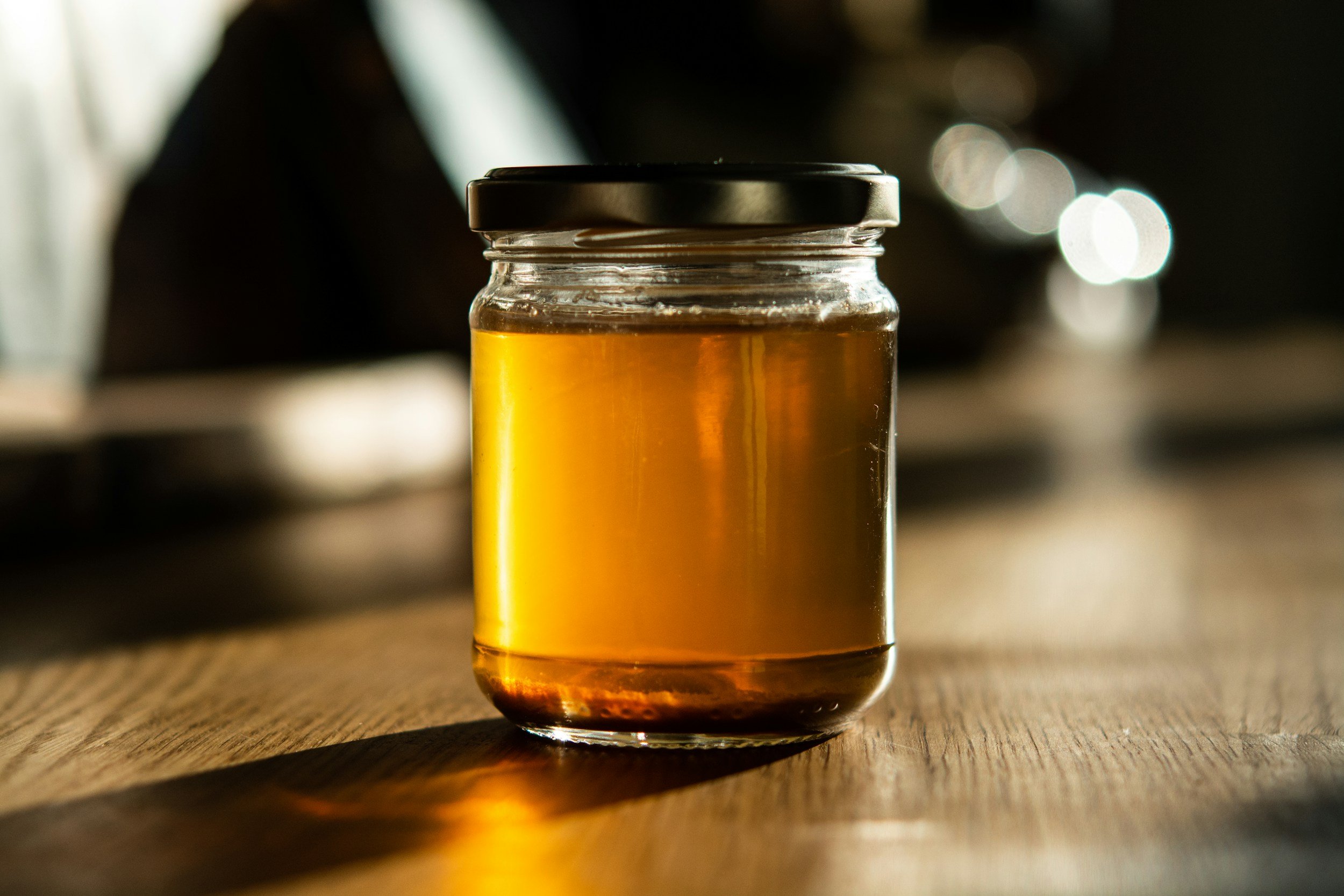
🥄 Low nutrient density — Bone broth is about 99.5% water and 0.5% protein, fat, and minerals. These same nutrients (and more) can easily be sourced from plants.
💊 Antibiotic residue — “A study was done to examine the release of antibiotics found in bone processing into test tubes with broth. The results showed that the bone acted as a carrier of antibiotics in vitro and in vivo.”
☠️ Heavy metals — “Bones are known to take hold of lead, a heavy metal which can then be mobilized from the bones.”
And of course... ask yourself… “What did that animal eat? How was it treated? What antibiotics or hormones was it given?”
The Bigger Picture…
True health comes from daily habits, not supplements.
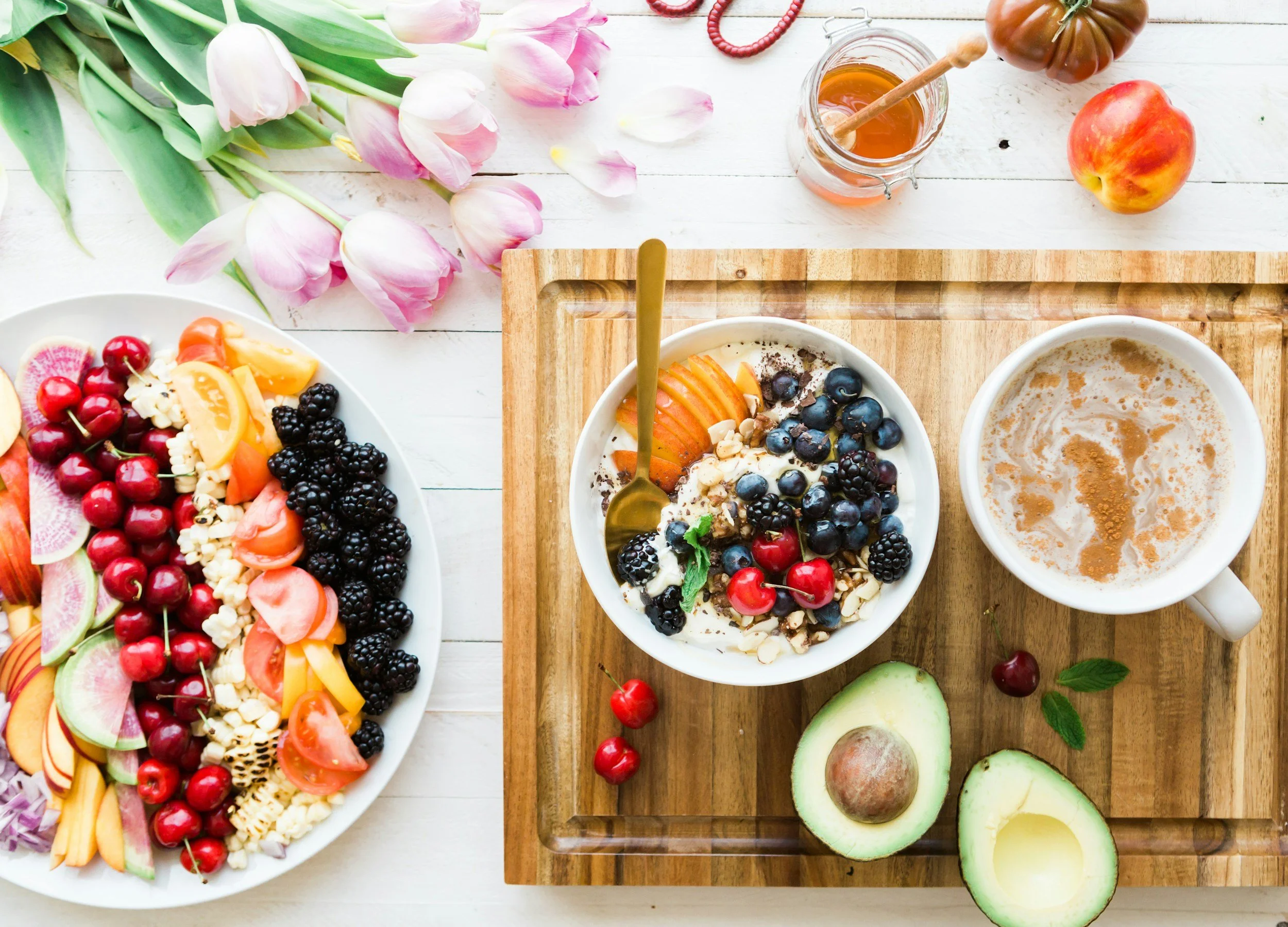
✅ Eat a wide variety of whole plant foods
✅ Avoid smoking and alcohol
✅ Get quality sleep
✅ Stay hydrated
✅ Move your body
✅ Manage stress… because

Stress directly affects collagen and gut health too…
“Stress seems to affect the integrity of skin collagen through glucocorticoid-mediated processes that alter its synthesis and degradation."
“Excess GC (glucocorticoids) can hinder healing and accelerate the aging process.”
So if you’re sipping bone broth while running on stress, caffeine, and little sleep… it’s not going to fix the problem.
🌿 The Bottom Line
Bone broth isn’t the miracle it’s marketed to be.
It doesn’t heal the gut, doesn’t reduce inflammation, and isn’t necessary for collagen production.
Your gut heals with whole food diet and balanced lifestyle habits — not from simmered bones.
So swap the hype for science… and feed your microbiome what it truly loves 🌱💚

Done trying to piece together health advice?
Book your free Discovery Call and let’s cut through the noise, find the real issue, and map the plan that works.
Natalie Woodman is an internationally recognized Nutritional Medicine and Gut Health Practitioner who has helped 1000+ women worldwide, reclaim their health, but more importantly… keep it that way.
Disclaimer: This content is general in nature and not a substitute for personalised medical advice. It does not consider your individual health needs, conditions, or medications. Please consult a qualified health professional before making any changes based on this information. Care has been taken to use current, evidence-based research at the time of writing.
References
The Production Of Bone Broth: A Study In Nutritional Exploitation. 1997.
Cancellous bone as an antibiotic carrier. Acta Orthopaedica Scandinavica. 2000.
The risk of lead contamination in bone broth diets. 2013.
Essential and toxic metals in animal bone broths. Food Nutr Res. 2017.
Stress-induced changes in skin barrier function in healthy women. 2001.
Stress, immunity and skin collagen integrity: Evidence from animal models and clinical conditions. 2009.
Psychological stress impairs early wound repair following surgery. 2003.
Acute stress enhances while chronic stress suppresses skin immunity. The role of stress hormones and leukocyte trafficking. 2000.
Stress hormones, proinflammatory and antiinflammatory cytokines, and autoimmunity. 2002.
Is Melatonin the "Next Vitamin D"?: A Review of Emerging Science, Clinical Uses, Safety, and Dietary Supplements. 2022.
Sleep duration and all-cause mortality: a systematic review and meta-analysis of prospective studies. 2010
Melatonin and breast cancer: cellular mechanisms, clinical studies and future perspectives. 2009.
Melatonin: A Molecule for Reducing Breast Cancer Risk. 2018.
TMelatonin and Depression: A Translational Perspective From Animal Models to Clinical Studies. 2021.
Salivary Melatonin in Relation to Depressive Symptom Severity in Young Adults. 2016.
Gut melatonin: A potent candidate in the diversified journey of melatonin research. Gen. Comp. Endocrinol. 2021.
Circadian Rhythms and Melatonin Metabolism in Patients With Disorders of Gut-Brain Interactions. 2022.
Melatonin in Prevention of the Sequence from Reflux Esophagitis to Barrett’s Esophagus and Esophageal Adenocarcinoma: Experimental and Clinical Perspectives. 2018.
Melatonin and Related Compounds: Antioxidant and Anti-Inflammatory Actions. 2022.
Melatonin prevents the dysbiosis of intestinal microbiota in sleep-restricted mice by improving oxidative stress and inhibiting inflammation. 2022.
Melatonin in the colon modulates intestinal microbiota in response to stress and sleep deprivation. 2020.
Polyphenols: Bioavailability, Microbiome Interactions and Cellular Effects on Health in Humans and Animals. 2022.
Involvement of NRF2 in Breast Cancer and Possible Therapeutical Role of Polyphenols and Melatonin. 2021.
Gut Microbiota Dysbiosis Induced by Decreasing Endogenous Melatonin Mediates the Pathogenesis of Alzheimer’s Disease and Obesity. 2022.