How to get rid of Stubborn Belly Fat…
Did I get your attention?
Good.
Now if you want to get healthy, that is, be vibrant, strong, confident and reclaim your health… then read on.
If ‘weight-loss’ is your focus… then this article is not for you.
If you’re still reading… then here are some simple strategies that will set you on the path to improve your health… which naturally leads to reaching a healthy weight and waistline

Are you doing “all the right things”?
… and still not seeing movement around your middle? That does not mean you have failed. It means you need a plan that matches…
midlife hormones
sleep and stress load
muscle loss with age
gut changes and inflammation
9 reasons your belly fat may not be shifting (and what to do)
Obesity… especially around the abdominal area…has risen dramatically, over the last 40-yrs, reaching epidemic proportions. For several decades obesity has been viewed as the result of a long-term energy imbalance, but emerging evidence has revealed that its pathogenesis is much more complex with a growing body of evidence supporting the existence of a bidirectional signalling between the brain and gut bacterial community. Indeed, the gut microbiota has been recently identified as a key regulator of weight.

You drink more alcohol that you think
Alcohol slows fat burning while your body prioritises processing it.
Try this for 14 days…
Pick 3 to 4 alcohol-free days each week
Measure how much you are actually drinking. Most women drink 300-400ml in one glass, not the 100ml
Swap the “wine o’clock” habit for a walk after dinner.
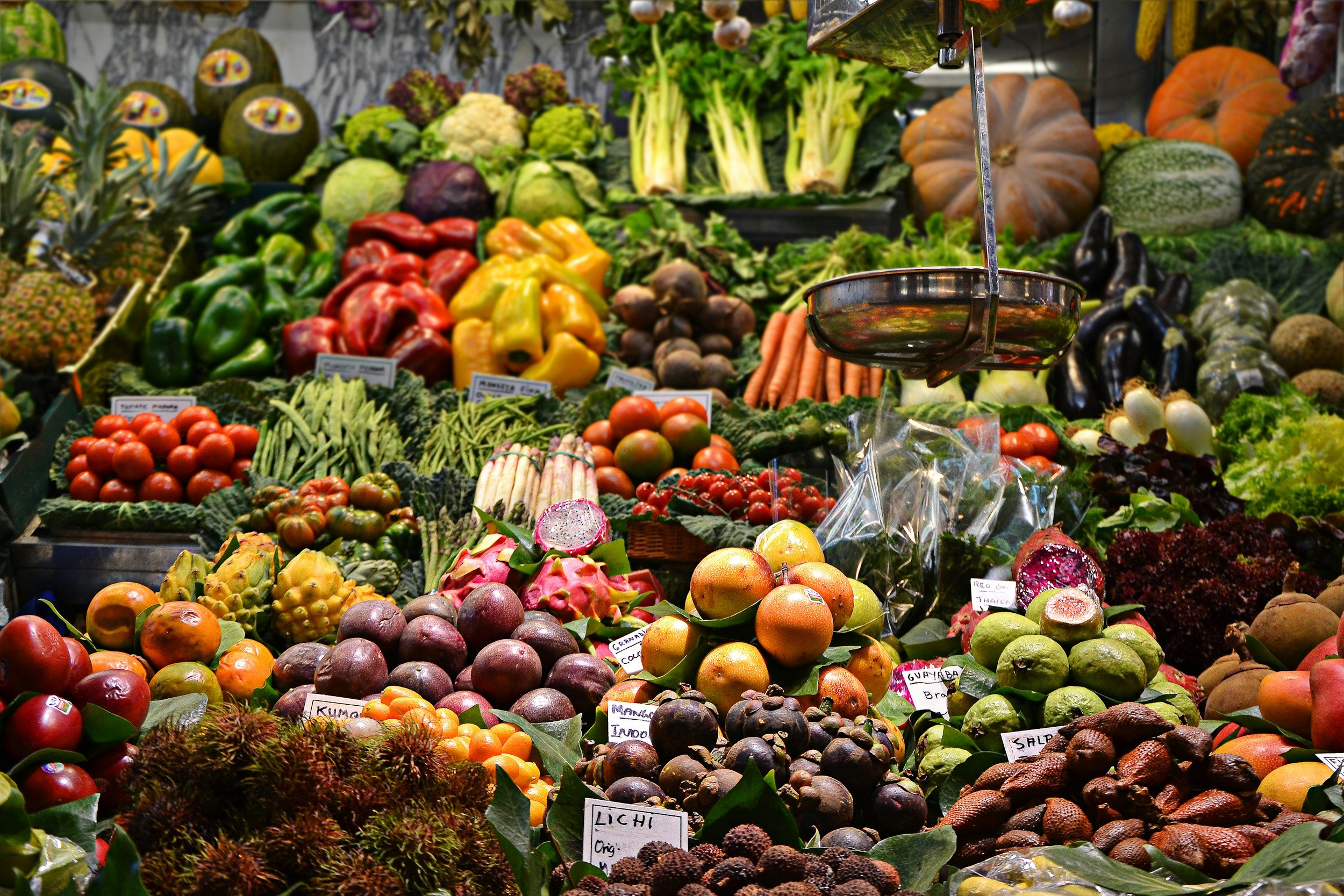
Gut Health is driving your metabolism
Metabolic rate can decline with poor gut health, as your Gut Microbiome manages your metabolism.
Add to this hormone changes, and it shifts fat storage towards the belly.
Action you can take this week…
Build strength training into your routine
Eat the rainbow, more fruit and veggies that help your Gut Microbiome to flourish

You rely on cardio, and skip strength work
While cardio supports heart health (and you shouldn’t give it up) those long walks are doing nothing for your ‘spare’ tyre.
Strength training supports muscle, and muscle helps you use energy better across the day.
Your simple baseline…
2 to 3 strength sessions a week
Progress slowly: a little more weight, a little more control, a little more consistency

Ultra-processed foods keep sneaking in
Processed foods push inflammation and increase fat storage.
Do a “kitchen audit”:
Ditch the processed foods
Build meals around real food you recognise
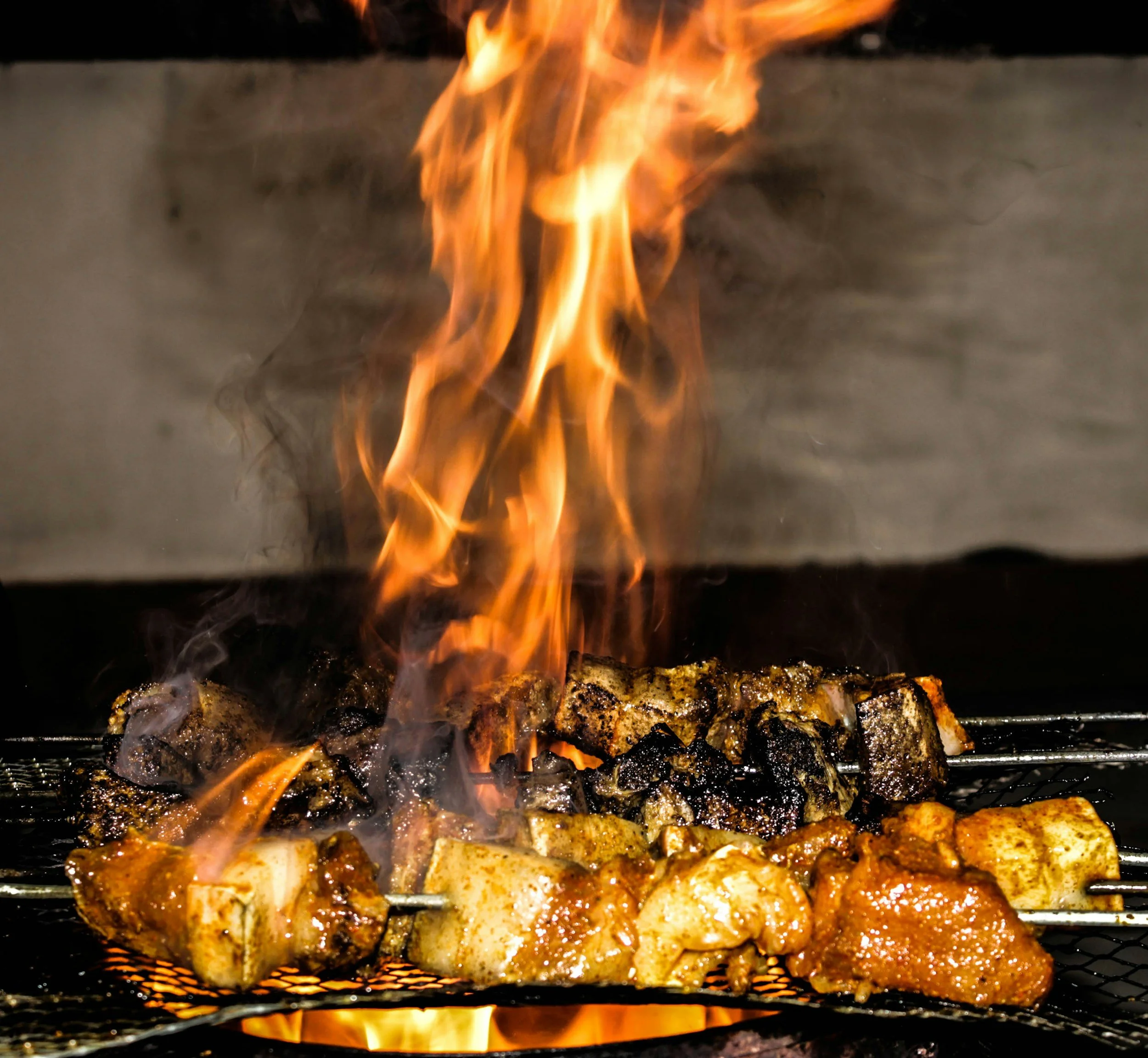
Your Meat to Veggie ratio is all wrong
Saturated fat equals greater visceral fat storage.
What I prefer you do…
Keep saturated fat as the smaller part of your week i.e. 2-3 times max.
Make the veggie portion of your meal colourful and abundant, basically 3/4 of your plate
Your Workouts Need to Challenge You…
If everything feels comfortable, your body adapts.
Higher intensity training can reduce belly fat more than low intensity training in some studies.
A practical way to do it… Add short “effort bursts” to what you already do. 6 rounds of 30 seconds brisk movement, 90 seconds easy.
You try to spot-reduce with crunches
You cannot spot-reduce fat from one area!! Those crunches are going to tire you out before you see any loss of fat around your waist.
Do this instead…
Prioritise full-body strength moves
Add core stability work (planks, dead bugs, loaded carries)
Let the fat loss come from the overall plan

Stress keeps your body in storage mode
Stress is linked with abdominal fat distribution, with cortisol as one of the proposed mechanisms.
Start small…
5 minutes of down-regulation daily (breathing, walk outside, quiet cup of tea without a phone)
Put ‘rest’ on your calendar like an appointment
You skimp on sleep…
A large cohort study following women for 16 years found higher risk of major weight gain among those sleeping 5 hours or less, compared with 7 to 8 hours.
Sleep target… Aim for 7 to 9 hours for most adults.
Two changes that work fast… Fixed go to bed and wake time every day for 2 weeks, screens off 2-hrs before bed

Done trying to piece together health advice?
Book your free Discovery Call and let’s cut through the noise, find the real issue, and map the plan that works.
Natalie Woodman is an internationally recognized Nutritional Medicine and Gut Health Practitioner who has helped 1000+ women worldwide, reclaim their health, but more importantly… keep it that way.
Disclaimer: This content is general in nature and not a substitute for personalised medical advice. It does not consider your individual health needs, conditions, or medications. Please consult a qualified health professional before making any changes based on this information. Care has been taken to use current, evidence-based research at the time of writing.
References
2020. Engineering the Gut Microbiome for Treatment of Obesity: A Review of Current Understanding and Progress
2020. Glucocorticoid Metabolism in Obesity and Following Weight Loss.
2019. How stress can (sometimes) make us eat more.
2014. Anticipation of a psychosocial stressor differentially influences ghrelin, cortisol and food intake among emotional and non-emotional eaters.
2013. Gut microbiota and obesity: Lessons from the microbiome.
2013. The Gut Microbiota Reduces Leptin Sensitivity and the Expression of the Obesity-Suppressing Neuropeptides Proglucagon (Gcg) and Brain-Derived Neurotrophic Factor (Bdnf) in the Central Nervous System
2012. Functional interactions between the gut microbiota and host metabolism.
2012. Host-gut microbiota metabolic interactions.
2011. The glucocorticoid contribution to obesity.
2011. Hypothalamic–pituitary–adrenal axis dysfunction in chronic fatigue syndrome.
2011. Comfort food is comforting to those most stressed: Evidence of the chronic stress response network in high stress women.
2007. Role of Leptin in Immunity.
2006. The role of leptin in leptin resistance and obesity.
2006. The role of the hypothalamic-pituitary-adrenal axis in neuroendocrine responses to stress.
2006. Central nervous system control of food intake and body weight.
2004. The gut microbiota as an environmental factor that regulates fat storage.
2002. Gut Microbiota Leptin inhibits stress-induced apoptosis of T lymphocytes.
1997. Role of leptin in hypothalamic–pituitary function.