Sea Moss… The Overhyped Superfood Your Instagram Feed Won't Stop Talking About
It's everywhere. and promises to deliver 92 minerals, transform your gut, and apparently solve everything from bloating to brain fog.
If you're a woman over 50 trying to figure out what's actually worth your time, energy, and money — let's have an honest conversation. Because the sea moss trend is a textbook example of wellness marketing running well ahead of the science.

First, What Even Is Sea Moss?
Sea moss (most commonly *Chondrus crispus*, or Irish Moss) is a red algae that grows along the Atlantic coastlines of Europe and North America. It has been used in traditional cooking for centuries — particularly in Ireland and the Caribbean — as a natural thickener in broths, puddings, and drinks.
That's a far cry from the miracle supplement it's being marketed as today.
The “92 Minerals” claim…
Let's start with the headline act. Sea moss is routinely promoted as containing "92 of the 102 minerals your body needs." It's a compelling number — and it's essentially meaningless.
Yes, sea moss contains trace amounts of a wide range of minerals. But trace amounts are not therapeutic amounts. The quantity of any nutrient in a food determines whether it actually does anything in your body. And when you look at what a typical serving of sea moss actually delivers, the numbers get very humble, very quickly.
The Fibre Fantasy
Sea moss is regularly promoted as a high-fibre, prebiotic-rich food — which sounds wonderful if you're trying to support gut-health, but here's the reality…
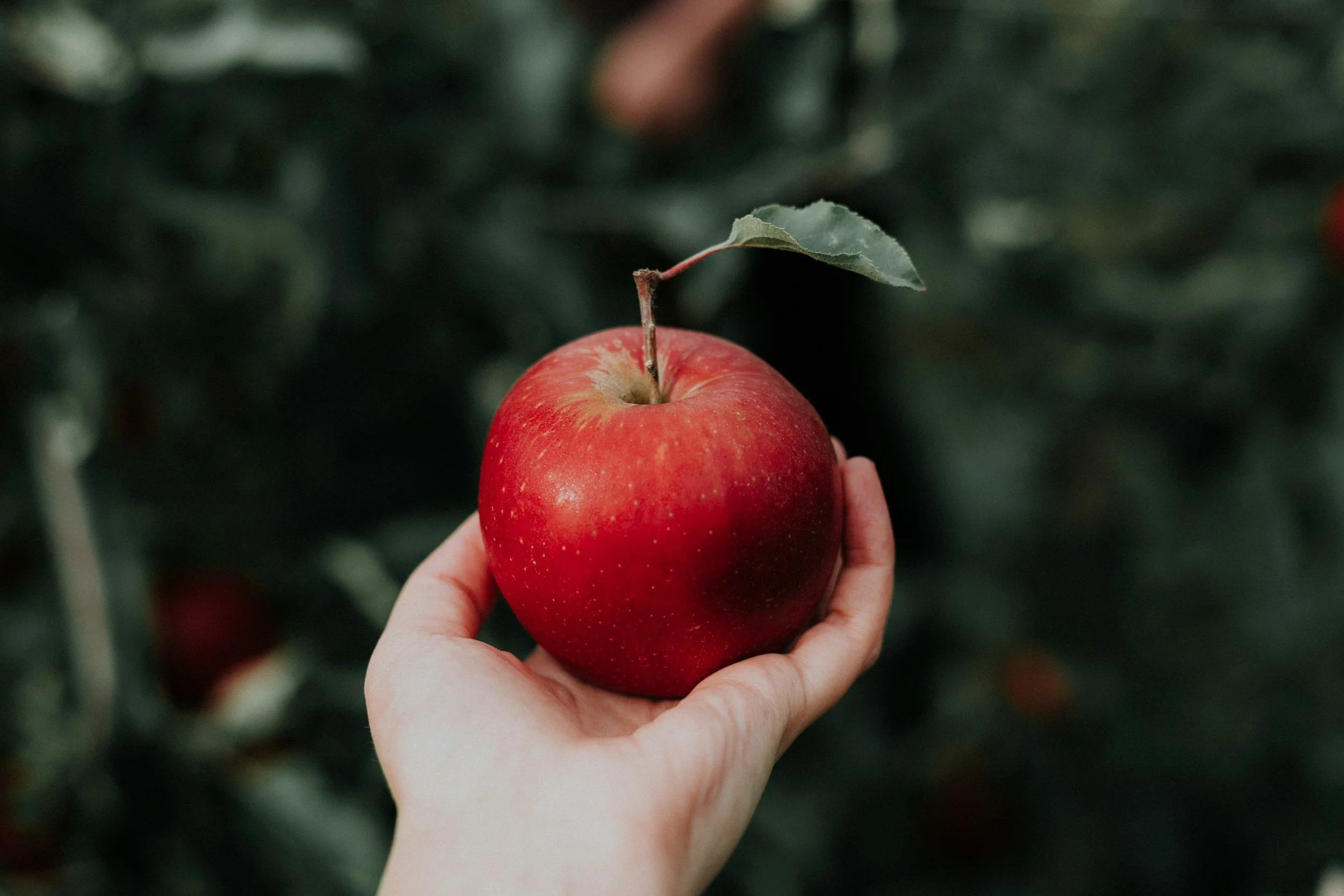
A 20-gram serving of raw sea moss contains approximately 0.5 grams of fibre. One medium apple contains nearly 5 grams of fibre — five times more and delivers more prebiotic benefit than a week's worth of sea moss!
The Iodine Problem
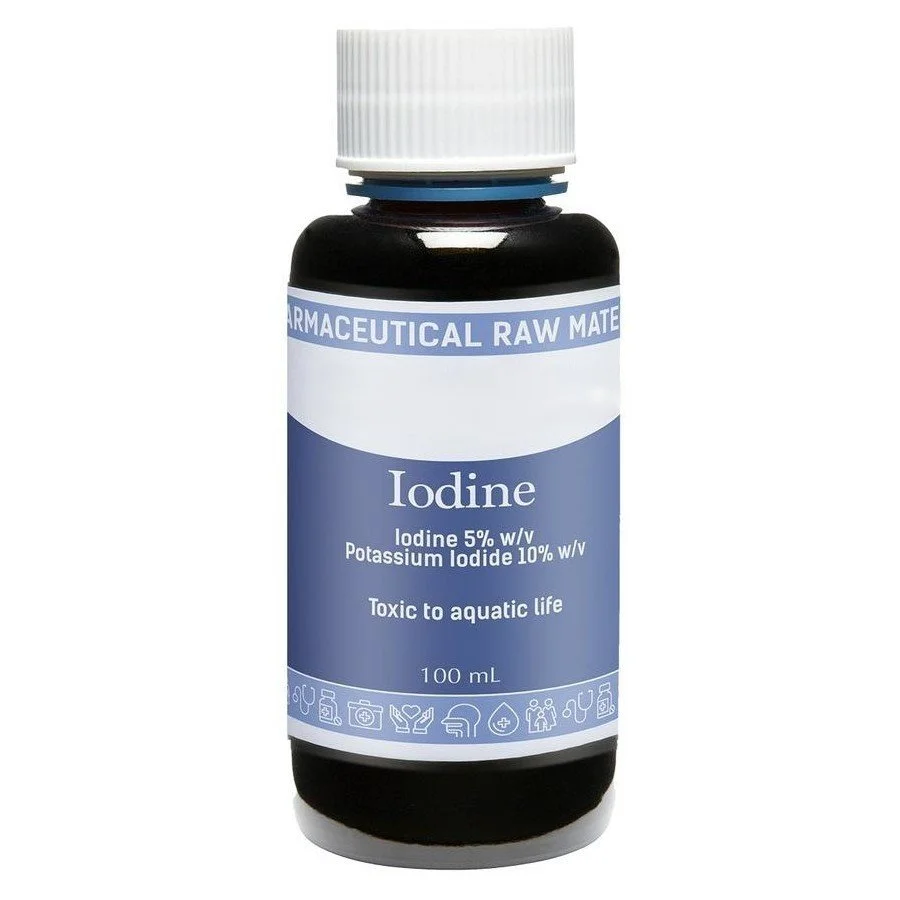
Iodine is essential. Your thyroid depends on it. But more is not better — and sea moss can contain very high levels of iodine, far beyond what your body needs or can safely manage.
For women over 50, whose thyroid function is already navigating the hormonal shifts of perimenopause and menopause, excess iodine intake is not a small risk. Too much iodine can disrupt thyroid hormone production, trigger or worsen autoimmune thyroid conditions, and contribute to the very fatigue, weight changes, and mood shifts you're trying to resolve.

Heavy Metals… Where Was Your Sea Moss Grown?
Seaweed is a bioaccumulator. It absorbs what's in its environment — including heavy metals like lead, mercury, and arsenic when grown in polluted waters.
Much of the sea moss sold commercially today is sourced from Mexico and Southeast Asia, where water pollution from mining, agriculture, and inadequate wastewater treatment is a documented and significant problem.
And while the “pristine Atlantic waters of St Lucia” sounds amazing, unfortunately that area faces significant pollution challenges, primarily driven by plastic waste, sargassum seaweed influxes, and inadequately treated sewage.

The Carrageenan Conversation Nobody Is Having
This is the part that matters most for gut health — and it is almost never mentioned in sea moss marketing. Sea moss is high in carrageenan and an excess can lead to inflammation with animal studies indicating it may cause gut barrier damage
Here’s what the research says…
A 2024 study examining carrageenan and inflammatory bowel disease found that degraded carrageenan triggers intestinal ulceration and inflammation, reduces bacterial diversity in the gut, and increases intestinal permeability — contributing to what is commonly called "leaky gut" syndrome.
A 2021 review concluded that human exposure to carrageenan — particularly from ultra-processed foods — should be avoided, especially for gut health.
Another 2024 paper found that dietary carrageenan decreases anti-inflammatory bacteria (particularly Akkermansia muciniphila, one of the most important protective species in your gut) while promoting the growth of pro-inflammatory microbiota.
Let that sink in. A product being sold to improve your gut health contains a compound that research links to harming your gut microbiome, increasing inflammation, and reducing the very bacterial diversity you're trying to build.
The average person in a Western diet already consumes around 250mg of carrageenan per day as it’s used as a thickener is every day foods such as yoghurt etc. Adding a daily sea moss habit on top of that is not a neutral decision.

It's Not Even Regulated
In most countries, sea moss is not regulated meaning it does not have to undergo any testing for purity, potency, or safety. And the ‘lab tested’ claims on labels? They are generally not done using standardised testing and done on a ‘random’ sample, not every single item produced.
Let's Talk About the Cost…
A 375ml jar of sea moss gel typically costs around $30 and lasts one to two weeks depending on the dosage. Only one week if taking at the recommended two-tablespoon daily serving. That's $120 a month for 1 gram of fibre per day, a heavy iodine load, potential heavy metal exposure, and a meaningful daily dose of carrageenan.
Imagine what that budget could do in the fresh produce aisle instead!!
So What Actually Works?
Your gut microbiome (aka gut-health) — particularly at this stage of life — responds to diversity, consistency, and the right foundations. Not expensive gels. Not powders. Not cleanses.
The research is clear… a varied, whole-food diet rich in different plant fibres does more for your gut than any single supplement ever could. Add to that the lifestyle factors that most people never address — the ones that are quietly working against your gut health around the clock, regardless of how well you eat — and you have a genuinely powerful approach.
That's exactly what GutStrong is built on. No powders. No gels. No miracle ingredients. Just the right food, the right lifestyle strategies, and a clear roadmap designed specifically for women navigating this stage of life.

Done trying to piece together health advice?
Book your free Discovery Call and let’s cut through the noise, find the real issue, and map the plan that works.
Natalie Woodman is an internationally recognized Nutritional Medicine and Gut Health Practitioner who has helped 1000+ women worldwide, reclaim their health, but more importantly… keep it that way.
Disclaimer: This content is general in nature and not a substitute for personalised medical advice. It does not consider your individual health needs, conditions, or medications. Please consult a qualified health professional before making any changes based on this information. Care has been taken to use current, evidence-based research at the time of writing.
References
Borsani, B., De Santis, R., Perico, V., Penagini, F., Pendezza, E., Dilillo, D., Bosetti, A., Zuccotti, G. V., & D'Auria, E. (2021). The role of carrageenan in inflammatory bowel diseases and allergic reactions: Where do we stand? Nutrients, 13(10), Article 3402.
Kimilu, N., Gładyś-Cieszyńska, K., Pieszko, M., Mańkowska-Wierzbicka, D., & Folwarski, M. (2024). Carrageenan in the diet: Friend or foe for inflammatory bowel disease? Nutrients, 16(11), Article 1780.
Komisarska, P., Pinyosinwat, A., Saleem, M., & Szczuko, M. (2024). Carrageenan as a potential factor of inflammatory bowel diseases. Nutrients, 16(9), Article 1367.