The Protein Confusion Is Real (and It’s Not Your Fault)
If you feel like protein advice changes every second week… you’re not imagining it.
One day it’s… “Protein at every meal or you’ll lose muscle!”
The next it’s… “Plant protein doesn’t count.”
And somewhere in the middle you’re standing in the kitchen thinking… So what am I actually meant to eat?
Marketing and social media don’t sell clarity — they sell fear.
Create the ‘fear’ that you are not getting enough, you need it, you won’t lose weight without it…
and then… create a ‘protein supplement’ that allays your fears.
So you take it religiously, every day
But does it change your health? Are you getting healthier? Less pain? More energy? Losing weight without any effort?
I think NOT!!
So let’s clear up the most common questions I get asked, and tackle the biggest myths head-on.
And most importantly… give you something that is factual that you can implement so you know your protein needs are met AND you start feeling better… more energy, better sleep, less or no pain and watch the weight melt away.
Here’s the Part Nobody Explains
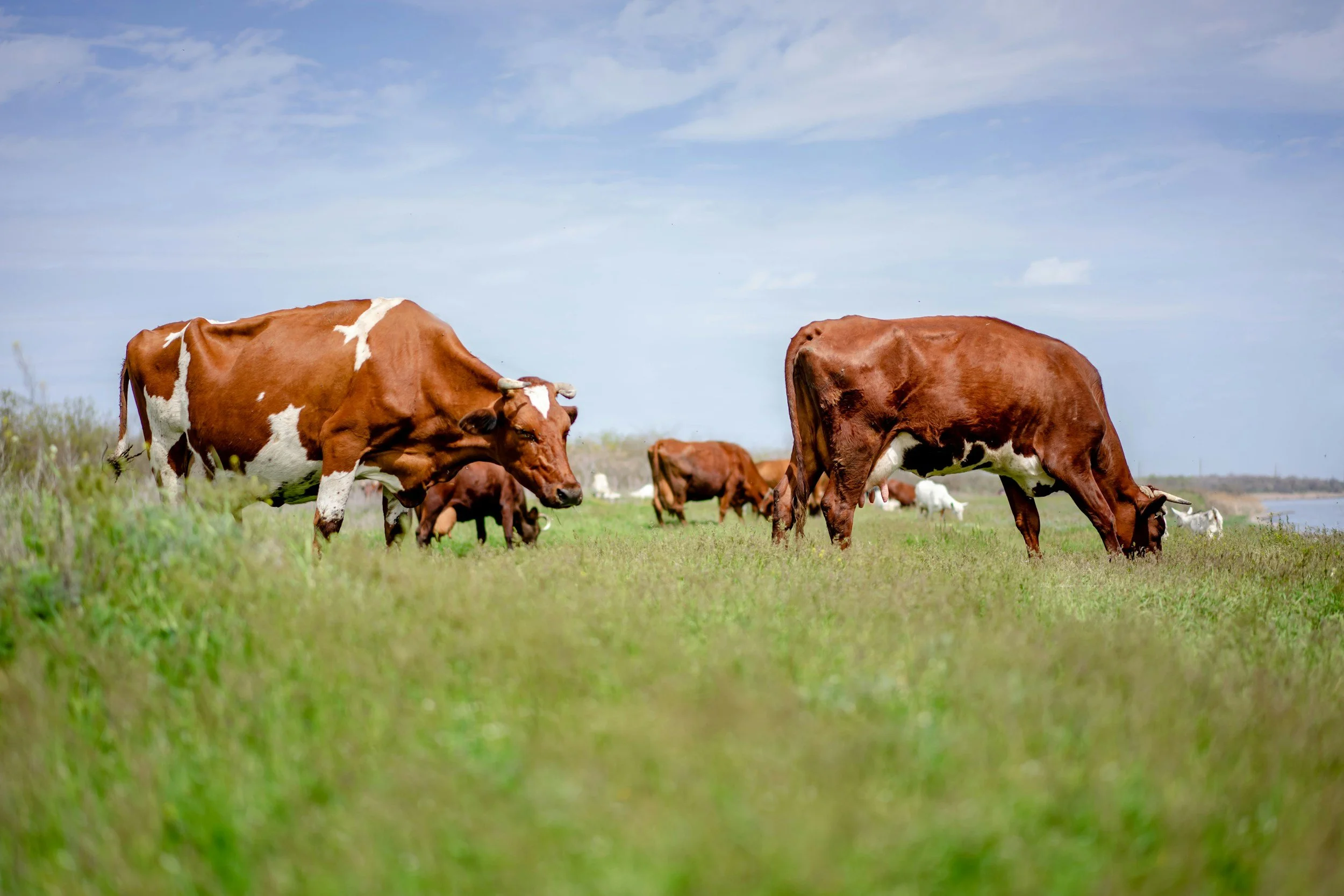
Animals don’t “create” protein .Protein is built from plants. Plants can take in carbon, oxygen, and hydrogen (from air, water, sunlight) plus nitrogen (taken up from the soil as nitrates/ammonium)
Then they use that to build amino acids… and from amino acids they build protein.
Animals eat plant matter (grass, grains, legumes, algae, etc.) and access the nutrients already built by plants — including protein, carbohydrates (glucose), and fats (lipids) stored inside plant cells.
Myth #1: “You need protein at EVERY meal.”
This one gets repeated so often it starts to sound like law.
Truth… Most people benefit from spreading protein across the day, especially as we get older (because muscle-building signals become less responsive with age). But that doesn’t mean you need to turn every snack into a protein strategy session.
Myth #2: “Animal products are the only (or superior) source of protein.”
Yes, animal foods are complete proteins (they contain all essential amino acids) and… as evidence clearly shows so are many plants…“In fact, all plant foods contain all 20 dietary amino acids”.
You can absolutely meet protein needs with a mix of foods — and in many studies, diets higher in plant protein (whole foods not protein powders) are linked with positive health outcomes.
Myth #3: “Protein powders are good for your health”
Protein powders can negatively impact the gut microbiome by disrupting microbial balance, reducing beneficial bacteria, and increasing harmful fermentation products like ammonia and sulfides. Excessive intake often causes digestive distress, such as bloating and gas, while additives like emulsifiers can damage the gut lining and trigger inflammation.
Evidence shows… “A reduction in lactobacilli, bifidobacteria, and butyrate-producing bacteria has been previously observed in diets with increased protein”… these are KEY bacteria required for a healthy Gut Microbiome!
Using protein powders limit the diversity of the microbiome, as it generally crowds out fibre-rich, plant-based foods necessary for a healthy gut.
Myth #4: “Plants are low in protein… or don’t count.”
This myth survives because it’s easy to market. But it’s scientifically shaky.
Plants contain protein. Full stop. And when you eat a varied diet, your body combines amino acids across the day — you don’t have to “complete” every meal like it’s a puzzle.
The real difference is this… plant proteins (in the form of whole foods) are packaged with fibre, polyphenols, and resistant starch (hello gut microbiome) and that’s where the real ‘health’ transformation happens.
Myth #5: “If you eat protein, you automatically absorb it.”
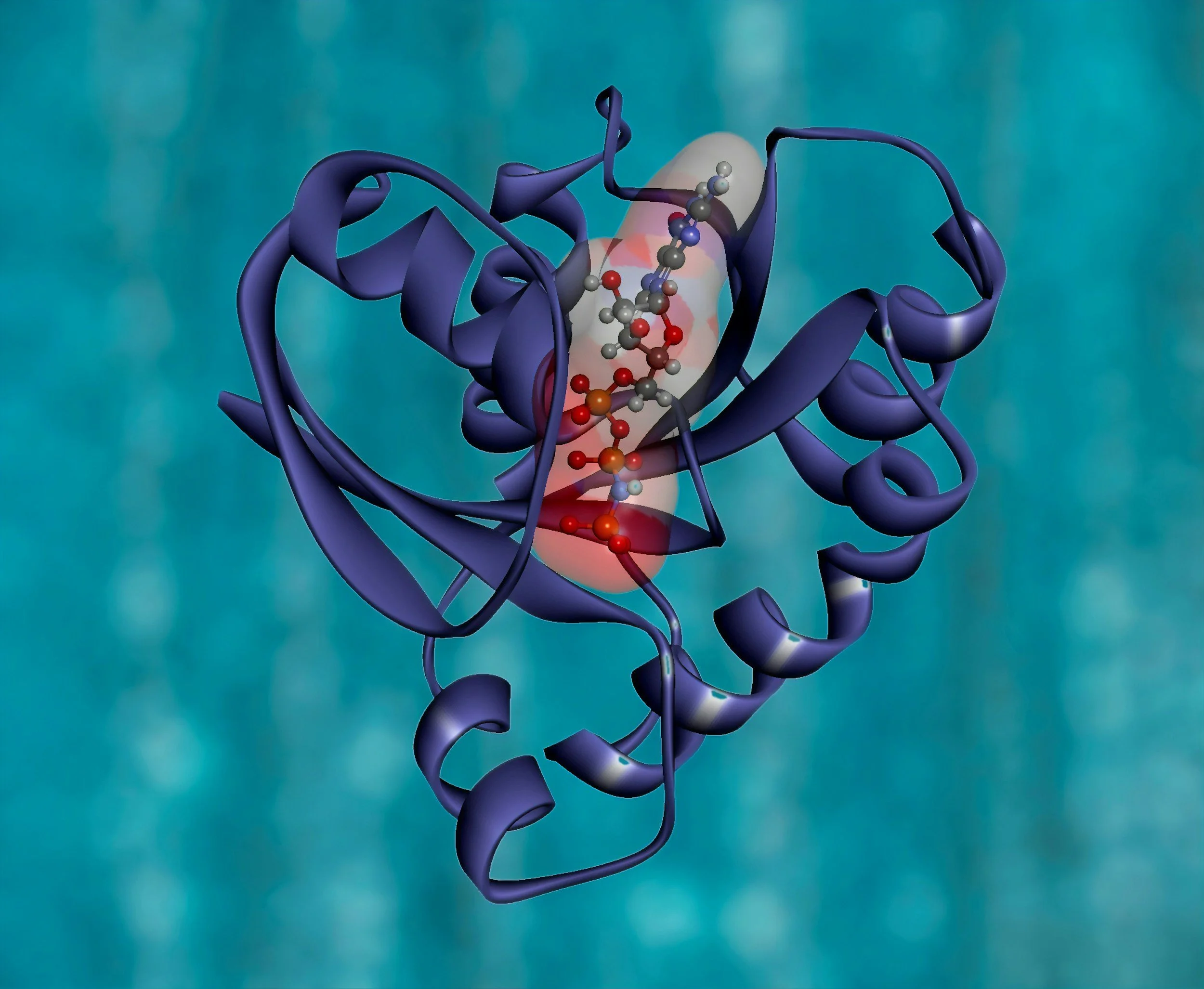
This one matters more than you realise… Eating protein and absorbing protein are not the same thing. Just because you consume 30g of protein doesn’t mean the body can access all 30g
Here’s the truth for most people… with chronic stress, gut issues, and medications… stomach acids are less and thus less protein is broken down which equals less being absorbed. That results in you feeling like food is sitting in your stomach, Being bloated (but you blame the fibre! or food intolerances) and gassy. As protein degrades it can release gases (smelly ones too!)
The Truth
Protein matters — but not because of hype.
But FIBRE trumps protein at every turn.
And the bonus of fibre, is it contains PROTEIN.
When you eat whole plants you get Protein PLUS Fibre which equals a super healthy Gut Microbiome and a super healthy YOU.
Fibre is where it’s at for optimal gut health which equals and optimal YOU.
“Although anaerobic fermentation of fibers is the largest source of SCFAs, acetate, propionate, and butyrate can also be produced from amino acid metabolism. However, less than 1% of the large intestine microbiota uses these metabolic pathways to produce SCFAs”
Excess Protein CANNOT be stored in the body and its elimination can strain the liver and kidneys. There is mounting evidence that excess Protein consumption, especially from animal sources, is linked to certain cancers (i.e.: colon, breast, prostate, pancreas), kidney disease and even osteoporosis.
"Proteins may also be substrates for colonic microbiota, but their fermentation is usually associated with the growth of potential pathogens and the production of undesirable substances"
AND increasing ‘animal’ protein is detrimental to health…
However, from a microbiota perspective, data from animal models indicate that increasing protein intake, especially of animal origin, is associated with induction of dysbiosis, depletion of bacterial taxa producing SCFA and increased production of trimethylamine N-oxide (TMAO), a marker of increased cardiovascular risk"
AND replacing some of your animal proteins with plant based proteins is good for you…
“results indicate that partial replacement of red and processed meats with legume products can potentially change microbiota activity and gut metabolites, suggesting a protective gut metabolic profile against colorectal cancer”
AND reduce your exposure to Persistent Organic Pollutants by including more plants…
“Epidemiological studies indicate an association between intake of certain dietary protein sources and obesity. Different sources of protein such as beans, vegetables, dairy, seafood, and meat differ in amino acid composition. Further, the type and level of other factors, such as fatty acids and persistent organic pollutants (POPs) vary between dietary protein sources. All these factors can modulate the composition of the gut microbiota and may thereby influence their obesogenic properties”
AND if proteins are plant-derived you will have better health outcomes…
“In humans aged 50–65, results from the study of Levine et al. suggest that a high protein intake may be associated with increased overall mortality. However, this was not observed if the proteins were plant derived”
AND reduce animal origin TMAO and reach and maintain a healthy weight…
“The gut microbiota may also convert components from different protein sources into compounds that may be linked to development of disease. Well-known examples are L-carnitine and phosphatidylcholine, present in red meats and egg, which can be metabolized to trimethylamine and trimethylamine oxide (TMAO). In humans, circulating TMAO levels are reported to be associated with increased risk for atherosclerosis development and recently also linked to obesity”
“Proteins derived from seafood, meat, chicken (animal products) contain varying amounts of amino acids, fatty acids, and pollutants, which may interact with the gut microbiota and change the host metabolism, and further impact on obesity development”
AND get stronger bones with plant-based proteins…
“Different sources of dietary protein may have different effects on bone metabolism. Animal foods provide predominantly acid precursors, whereas protein in vegetable foods is accompanied by base precursors not found in animal foods. Imbalance between dietary acid and base precursors leads to a chronic net dietary acid load that may have adverse consequences on bone”
“High consumption of protein from animal origin may be unfavourable, whereas a higher vegetable protein intake may be beneficial for bone health. Our results strengthen the hypothesis that high calcium intake combined with adequate protein intake based on a high ratio of vegetable to animal protein may be protective against osteoporosis”
Protein From Plants is a Win for Your Health…
When you eat a diet rich in fruit, vegetables, whole grains, nuts, seeds, beans and legumes you get all the Protein you need, PLUS a multitude of macro and micro nutrients with an added boost of phytonutrients and antioxidants. Whole food plant-based proteins are pooled by the body throughout the day to form complete proteins. Studies, research and experience show that people thrive on a whole food plant-based diet without having to seek ‘animal sources’ of Protein. There is no such thing as a Protein deficiency in the Western World. However, there is a fibre and nutrient deficiency amongst many individuals!
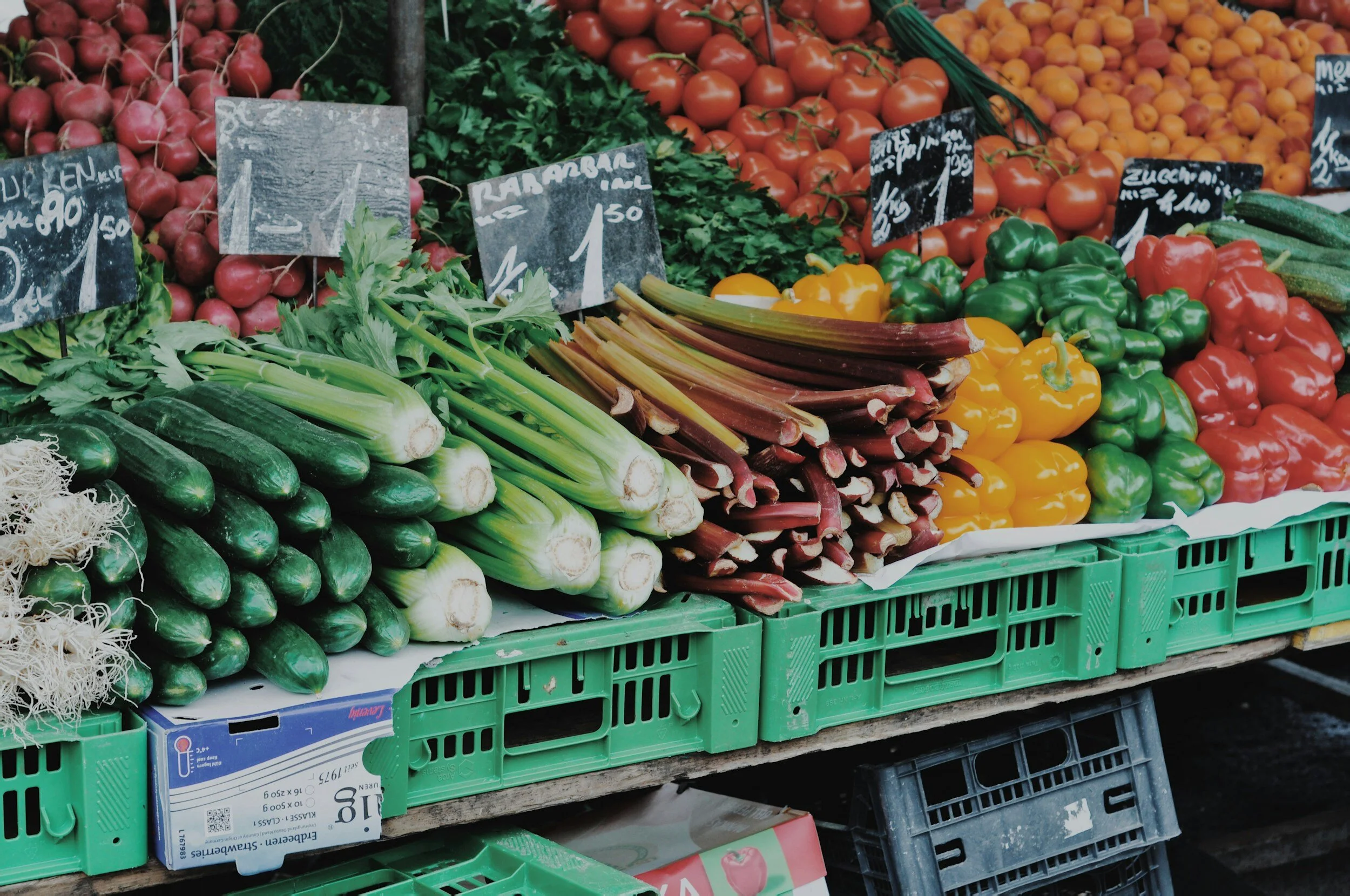
This table provides some approximations of grams of protein available in whole plant-based foods and also listing animal protein for comparison purposes. There are a lot more but here is a snapshot…
Food, Qty and Protein (Gr)
Beef/Lamb, 100g = 25-28g
Red lentils, 100g = 25g
Green lentils, 100g = 24g
Tahini, 100g = 23g
Chicken, 100g = 22g
Cheese, 100g = 20g
Edamame, 1 cup = 18g
Sesame seeds, 100g = 18g
Fish, 100g = 18-22g
Tempeh, 100g = 13g
Tofu, 100g = 10g
Hemp seeds, 28g = 10g
Amaranth, 1 cup = 9g
Pumpkin seeds, 28g = 8g
Quinoa, 1 cup = 8g
Beans (black, pinto, kidney etc), ½ cup = 7-8g
Wild rice, 1 cup = 6.5g
Egg, 1 large = 6g
Chickpeas, ½ cup = 6g
Almonds, 28g = 6g
Cashews, 28g = 6g
Flaxseeds, 28g = 6g
Chia seeds, 28g = 6g
Buckwheat, 1 cup = 6g
Sunflower seeds, 28g = 5g
Spinach, 1 cup = 5g
Oatmeal, 100g = 5g
Mushrooms, 5 whole = 4g
Brussel sprouts, 1 cup = 4g
Avocado, 1 medium = 4g
Potato, 1 medium = 4g
Corn, ½ cup = 4g
Milk, 100ml = 3.3g
Broccoli, 1 cup = 3g
Rice, 100g = 2.2g
Blackberries/Blueberries, 1 cup = 2g
Sweet potato, 100g = 2g
Cauliflower, 100g = 1.6g
Banana, 1 medium = 1.5g
Cabbage, 100g = 1.3g
So, as you can see, there is no problem getting your Protein needs met from eating a variety of plants every day.
IMPORTANT: Focusing on a single macro-nutrient, to the exclusion of all of the other vitally important nutrients, can lead to an ‘excess or depletion’ of other nutrients which can result in troubling and serious conditions later on.
This is just ONE of the many food strategies (there’s lifestyle ones too) that are proven (by science), that when implemented, WILL ensure you feed your Microbiome… so IT thrives… and thus… YOU thrive.

Done trying to piece together health advice?
Book your free Discovery Call and let’s cut through the noise, find the real issue, and map the plan that works.
Natalie Woodman is an internationally recognized Nutritional Medicine and Gut Health Practitioner who has helped 1000+ women worldwide, reclaim their health, but more importantly… keep it that way.
Disclaimer: This content is general in nature and not a substitute for personalised medical advice. It does not consider your individual health needs, conditions, or medications. Please consult a qualified health professional before making any changes based on this information. Care has been taken to use current, evidence-based research at the time of writing.
References
Association of Protein Intake with Bone Mineral Density and Bone Mineral Content among Elderly Women: The OSTPRE Fracture Prevention Study. J Nutr Health Aging. 2017.
The relation between dietary protein, calcium and bone health in women: results from the EPIC-Potsdam cohort. 2005.
A high ratio of dietary animal to vegetable protein increases the rate of bone loss and the risk of fracture in postmenopausal women. 2001.
The nutritional value of plant-based diets in relation to human amino acid and protein requirements. 1999.
Egg yolk protein and egg yolk phosvitin inhibit calcium, magnesium, and iron absorptions in rats. 2007.
Maximizing the intersection of human health and the health of the environment with regard to the amount and type of protein produced and consumed in the United States. 2019