Is Gluten Free a Wise Choice?
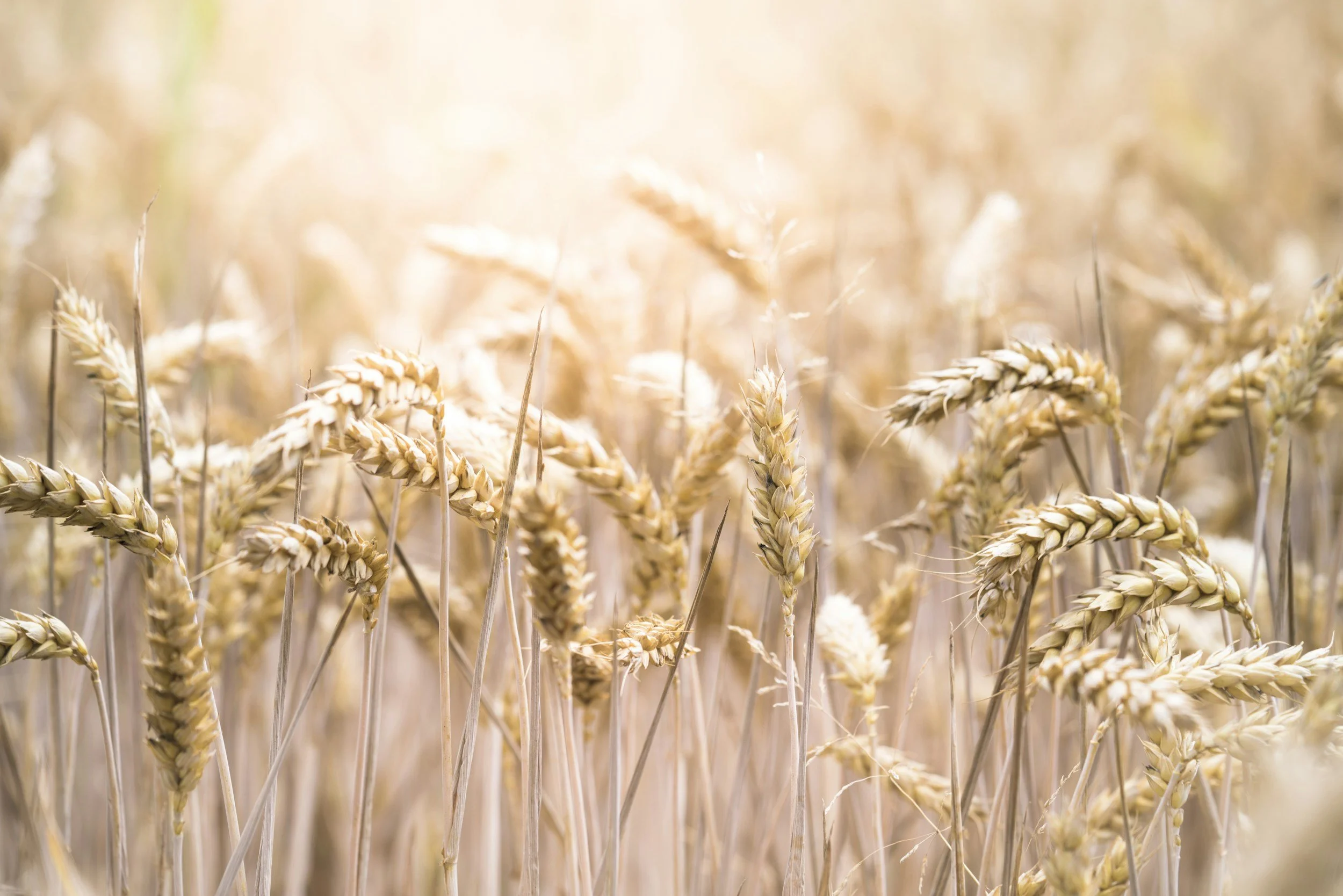
Poor Gluten…
It gets such a bad rap. But why?
What has it done to deserve this?
Do you really know WHAT Gluten is? And WHY it’s almost a ‘dirty’ word?
Or WHY you may be blaming your digestive disorders on GLUTEN when it could be something completely different?
Let me break it down, so first you can understand what Gluten is, and second, ascertain IF it is the ‘reason’, or one of the reasons, for your digestive disorder(s).
Gluten has only been around for approx. 10,000 years, which in the evolutionary scheme of things, is quite a short time.
Gluten is basically two proteins (gliadin and glutenin) but also lipids (up to 10%) and some starches and is found in cereal grains such as wheat, barley, cous cous, rye etc.
On consumption, the breakdown of ‘gluten’ starts in the mouth with salivary flora related to the metabolism of gluten. Although the ‘gluten’ stays in the mouth for a relatively short time… “the number and types of flora in the saliva are significantly greater than those colonized in the stomach and duodenum” [1]… so it’s a VERY important step in the proper breakdown of gluten. A step that many overlook!
After leaving the stomach ‘gluten proteins’ pass through the small intestines and ‘Protease’, a pancreatic enzyme, converts these proteins into free amino acids, which are then easily absorbed by the cells of the small intestinal wall and used by the body. However, Gliadin proteins cannot be completely broken down by (pancreatic) Protease. On that note… Children DO have the capacity to completely break down gluten up to the age of approx. 9-months old from there on it gradually decreases until about ±8 years old, where it cannot be completely broken down.[2]
Thus, in all adults there is a there is a portion of ‘proteins’ that resist digestion and pass through the small intestines to the large intestines.
“Once it enters the large intestine, it is in close contact with a large number of microorganisms in the gut. Due to the diversity of bacterial genes in large intestine and their different biochemical pathways from the human body, it makes certain intestinal microorganisms have the ability to metabolize gliadin”
“Researchers have found that there are flora related to the metabolism of gliadin in the human intestine (such as the genera Lactobacillus, Streptococcus, Staphylococcus, Clostridium, Bifidobacterium). These microorganisms not only exist in the large intestine, but also in the small intestine to metabolize gluten.” [3,4']
What that means… for individuals with a well functioning Gut Microbiome, that have a diverse range of beneficial gut flora, it can be broken down with relative ease.
However, for individuals with an altered immune response and inflammatory conditions… it can lead to Celiac/Coeliac disease (a serious autoimmune disorder in genetically predisposed people where the ingestion of gluten leads to damage in the small intestine). This currently affects 1-3% of the population.
Many people think…
“I’m not Celiac, but if I eat bread, or anything with Gluten in it, I get abdominal bloating and pain – what’s up?”
This is what we call ‘Non-coeliac gluten-sensitivity’ [NCGS]. A condition that is neither autoimmune nor allergic, yet on consumption of ‘gluten’ results in symptoms similar to those who have coeliac disease e.g. Irritable Bowel symptoms [IBS] and even post consumption ‘vague’ symptoms such as a skin rash, fatigue, fogginess or joint pain.
Recent research has shown that NCGS may be due to a number of factors…
The fructan component of wheat, rather than gluten.
Dysbiosis (imbalance in gut bacteria e.g. beneficial bacteria vs pathogenic bacteria)
Gut barrier dysfunction, triggered through use of stress, antibiotics, NSAIDs etc.
Intestinal damage which can lead to a myriad of food sensitivities through poor digestion, including but not limited to, gluten.
But that’s not all.
The TRUTH is that Digestive complaints and/or disorders have a variety of causes…
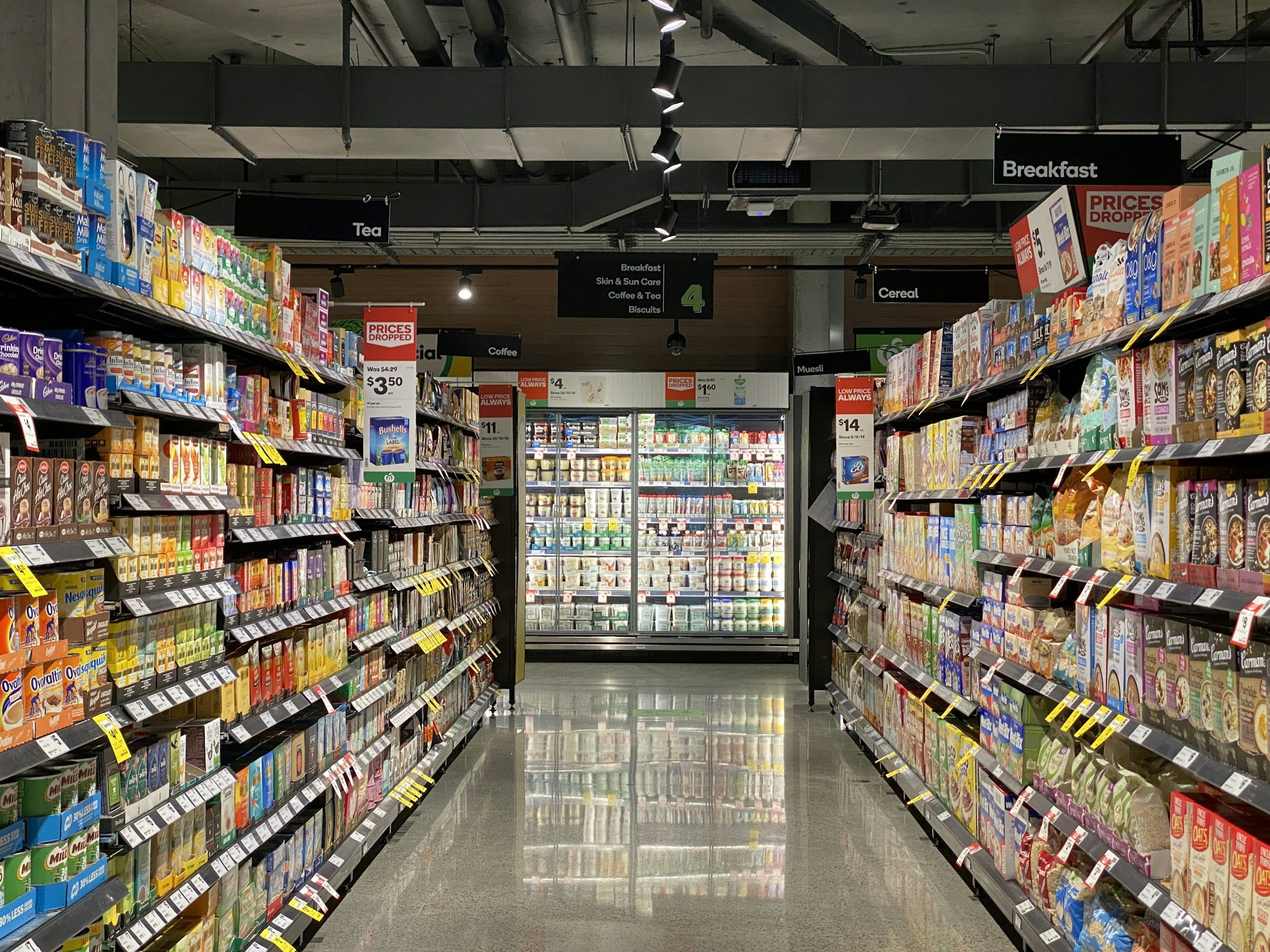
The modern, Western-style diet contains a larger proportion of foods that use ‘gluten’ for texture.
Gluten is used in salad dressings, soy sauce, soups, beer, chocolate, lollies, pasta, biscuits, crackers, condiments etc.
Gluten consumption has exponentially risen over the years…. Back in the 1950’s the average person was consuming 4-6g of gluten a day, or every few days through the (obvious) sources of a sandwich or pasta for dinner. Fast forward to the modern day western diet and approx. 40-60g of gluten is consumed through ‘non-obvious’ sources.. The recommended upper limit is 15 g of gluten/day., with 10g of gluten/day being in the normal acceptable range.
Being bombarded by excess gluten PLUS all the other non-food substances in these processed food products slowly erodes gut barrier function resulting in bloating, abdominal aches and pains, disrupted bowel movements and more.
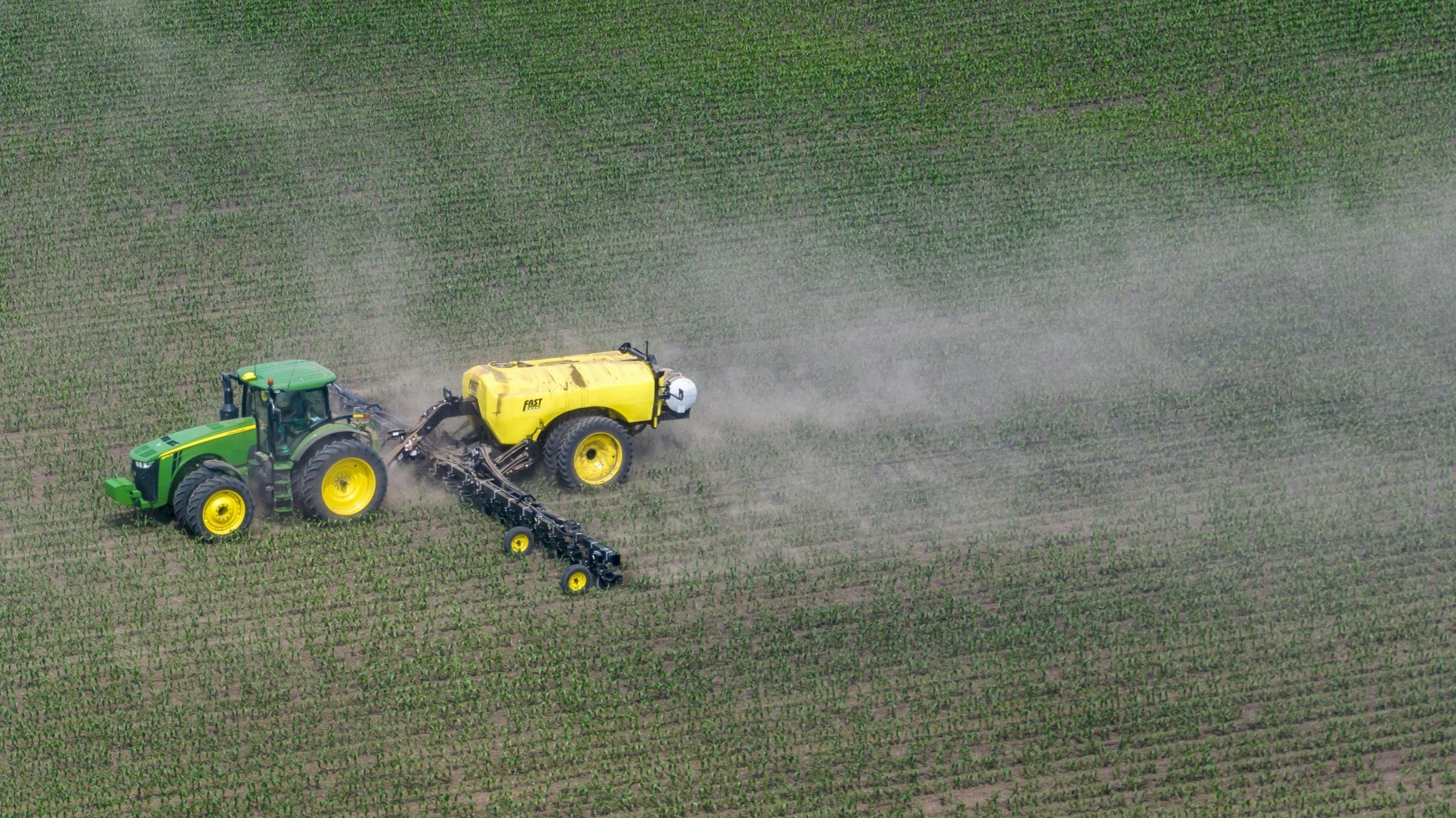
The over-use of Roundup (Glyphosate) along with other pesticides and herbicides.
In Australia, Glyphosate is NOT directly sprayed onto wheat it is applied only during pre-planting however research indicates that Glyphosate residues typically range from 0 to 1.3 mg/kg and up to14.8 mg/kg depending on application timing, rate, and environmental conditions.
But here’s the issue… Glyphosate is used on Canola plants early, in-crop and pre-harvest and canola is heavily used in packaged foods.
And here’s the kicker… Glyphosate has been linked to autoimmune disease…. a steady increase in Celiac disease has been shown in individuals who are exposed to an increased use of Glyphosate being sprayed on crops[5]. It is believed that the toxic overload from substances such as glyphosates - coupled with modern day stress - may be responsible disrupting how our beneficial intestinal bacteria function and thus cause the digestive symptoms that so many individuals experience. Glyphosate residues are greatest in sugar, corn, soy and wheat but also other grains, beans, legumes and has serious effects on your health…
Glyphosate inhibits an enzyme called Cytochrome P450 (CYP).
CYP’s are in the liver in intestines and one of their roles is to break down a large variety of xenobiotic (toxic) substances in the body so they can be eliminated.
CYP enzymes are in charge of the majority of the liver’s phase I detoxication where it metabolises drugs into safer substances for elimination so that their extremely damaging make-up doesn’t damage the body.
Glyphosate residue has the ability to disrupt the gut lining and thus can induce inflammation and disease.

The catalyst…
We love to ‘blame’ food, and modern agricultural practices but the truth is STRESS acts a trigger for the onset of gluten sensitivity and celiac disease. Emotional stress, major life events and chronic stress can activate the disease or worsen symptoms.
Often women tell me that on their trip to ITALY they could eat ‘pasta’ and ‘pizza’ (with gluten) and were totally symptom free. Telling me that it’s the way they grow their wheat.
But the truth is… The prevalence of celiac disease in Italy is approximately 1.6%, which is higher than the global average with recent research showing this rate has nearly doubled over the past 25 years.
One of the major factors in being ‘symptom-free’ is that these women are RELAXED and CALM!

What can help?
I don’t recommend choosing Gluten-Free products as they can be laden with health-eroding emulsifiers and thickeners that potentially do more harm than poor little Gluten could ever do!
Here’s an example of ingredients found in a Gluten-Free wrap… Water, Modified Tapioca Starch, Rice flour, Maize Starch, Soy flour, Maize Polenta, Rice bran oil, sugar, Vinegar, Dried Yeast, Egg white powder, Soy protein, Iodised Salt, Vegetable Gums, Anticaking agent, Emulsifier, Acidity regulator and preservative.
Here’s some simple changes you can make…
CHOOSE a Gluten (included) Organic Wrap which has ingredients such as… Organic Spelt Flour, Sea Salt, Dried Yeast and Olive oil.
FOCUS on eating a VARIETY of whole fresh whole foods – fruits, vegetables, beans, legumes, organic gluten free grains (buckwheat, amaranth, corn, quinoa, rice etc), nuts and seeds. This will allow the gut to repair and reduce the inflammatory response.
Address your stress. Not just what’s happening in daily life, but what you are holding onto!
Unless a diagnosed Celiac/Coeliac… you can safely include ‘gluten’ grains (wheat, rye, barley etc) in your diet up to 10%… In fact, removing ‘gluten’ all together can be detrimental to the health of your Microbiome!
“It is important to note that a gluten free diet can actually decrease populations of generally regarded healthy bacteria such as bifidobacterium, b. longum and lactobacillus and increase populations of potentially unhealthy bacteria such as “e. coli and total enterobacteriaceae, which may include opportunistic pathogens.” [6]

Done trying to piece together health advice?
Book your free Discovery Call and let’s cut through the noise, find the real issue, and map the plan that works.
Natalie Woodman is an internationally recognized Nutritional Medicine and Gut Health Practitioner who has helped 1000+ women worldwide, reclaim their health, but more importantly… keep it that way
Disclaimer: This content is general in nature and not a substitute for personalised medical advice. It does not consider your individual health needs, conditions, or medications. Please consult a qualified health professional before making any changes based on this information. Care has been taken to use current, evidence-based research at the time of writing.
References
Wu, X., Qian, L., Liu, K., Wu, J., & Shan, Z. (2021). Gastrointestinal microbiome and gluten in celiac disease. Annals of medicine, 53(1), 1797–1805. https://doi.org/10.1080/07853890.2021.1990392
Fernández-Pérez, S., Pérez-Andrés, J., Gutiérrez, S., Navasa, N., Martínez-Blanco, H., Ferrero, M. Á., Vivas, S., Vaquero, L., Iglesias, C., Casqueiro, J., & Rodríguez-Aparicio, L. B. (2020). The Human Digestive Tract Is Capable of Degrading Gluten from Birth. International journal of molecular sciences, 21(20), 7696. https://doi.org/10.3390/ijms21207696
Macfarlane GT, Allison C, Gibson SAW, et al.. (1988). Contribution of the microflora to proteolysis in the human large intestine. J Appl Bacteriol.
Caminero A, Herran AR, Nistal E, et al.. (2014). Diversity of the cultivable human gut microbiome involved in gluten metabolism: isolation of microorganisms with potential interest for coeliac disease. FEMS Microbiol Ecol. 2014;88(2):309–319.
Samsel, A., & Seneff, S. (2013). Glyphosate, pathways to modern diseases II: Celiac sprue and gluten intolerance. Interdisciplinary toxicology, 6(4), 159–184. https://doi.org/10.2478/intox-2013-0026
Sanz Y. (2010). Effects of a gluten-free diet on gut microbiota and immune function in healthy adult humans. Gut microbes, 1(3), 135–137. https://doi.org/10.4161/gmic.1.3.11868